
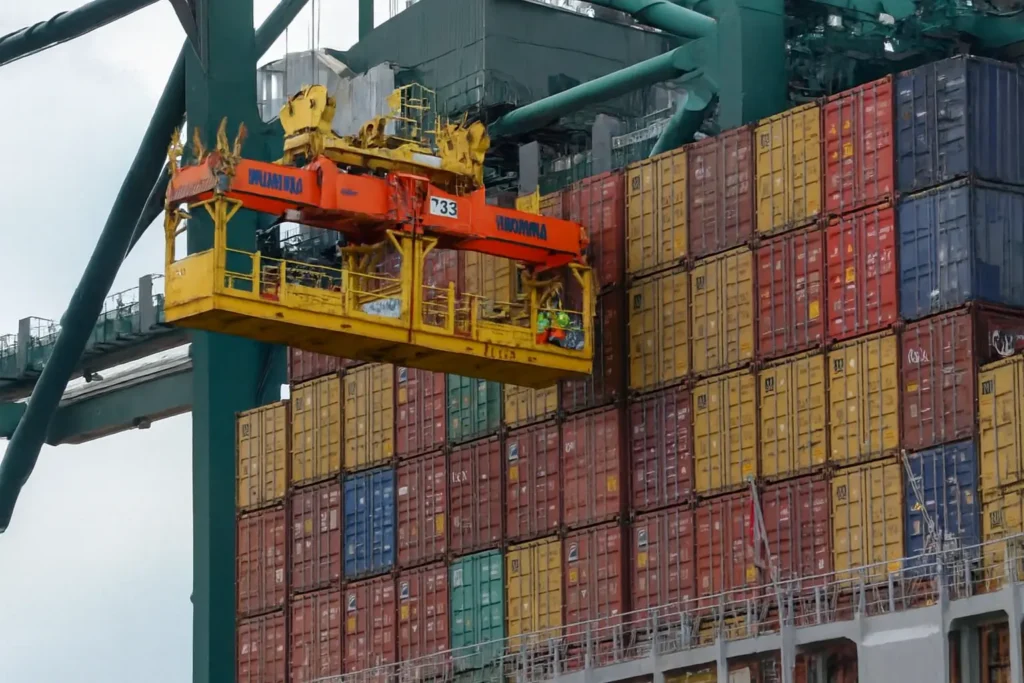
Top 10 Logistics Companies in the World 2025: Leaders Shaping Global Trade
Lets explore the Top 10 Logistics Companies in the World 2025, The global logistics industry is the backbone of modern commerce, and in 2025, it is defined by unprecedented technological transformation and strategic adaptability. As supply chains grow more complex, the companies leading the pack are those that have successfully integrated artificial intelligence, automation, and sustainable practices into their core operations. These leaders are not just moving goods; they are building resilient, intelligent, and customer-centric networks capable of weathering geopolitical shifts and meeting the demands of the e-commerce era. This article explores the top 10 logistics companies in the world for 2025, examining the innovations and strategies that solidify their leading positions.
The Vanguard of Global Logistics: 2025’s Top 10
The ranking of the top logistics companies is a testament to their ability to scale, innovate, and offer integrated services. The following table presents the foremost leaders in the industry this year, highlighting their core specialties and the reasons for their dominance.
| Company | Headquarters | Key Specialties & Reasons for Leadership |
| Amazon | Seattle, Washington, USA | E-commerce fulfillment, last-mile delivery, vast proprietary network of fulfillment centers and advanced automation. |
| DHL Supply Chain & Global Forwarding | Bonn, Germany | International express shipping, extensive global coverage, warehousing, and strong customs brokerage services. |
| Kuehne + Nagel | Schindellegi, Switzerland | Sea and air freight excellence, strong global logistics network optimization, and sustainable logistics offerings. |
| DSV | Hedehusene, Denmark | Global air, sea, and road freight solutions; flexibility and a broad service mix across international trade lanes. |
| C.H. Robinson | Eden Prairie, Minnesota, USA | One of the largest transportation networks in North America, freight brokerage, and sophisticated supply chain management. |
| UPS Supply Chain Solutions | Atlanta, Georgia, USA | Small parcel delivery, international shipping, freight forwarding, and a massive global small-parcel infrastructure. |
| Maersk Logistics | Copenhagen, Denmark | Integrated container shipping and end-to-end supply chain services, evolving from a pure ocean carrier to a full-service logistics partner. |
| CEVA Logistics | Marseille, France | Freight management and contract logistics, with notable expertise in automotive logistics and as part of the CMA CGM Group. |
| Nippon Express | Tokyo, Japan | Nippon Express plays a key role in connecting global trade through its integrated logistics network. |
| FedEx Corp | Memphis, Tennessee, USA | Time-sensitive international shipping, express delivery, robust e-commerce solutions, and comprehensive customs brokerage. |
An In-Depth Look at the Industry Leaders
1. Amazon: The E-Commerce Juggernaut
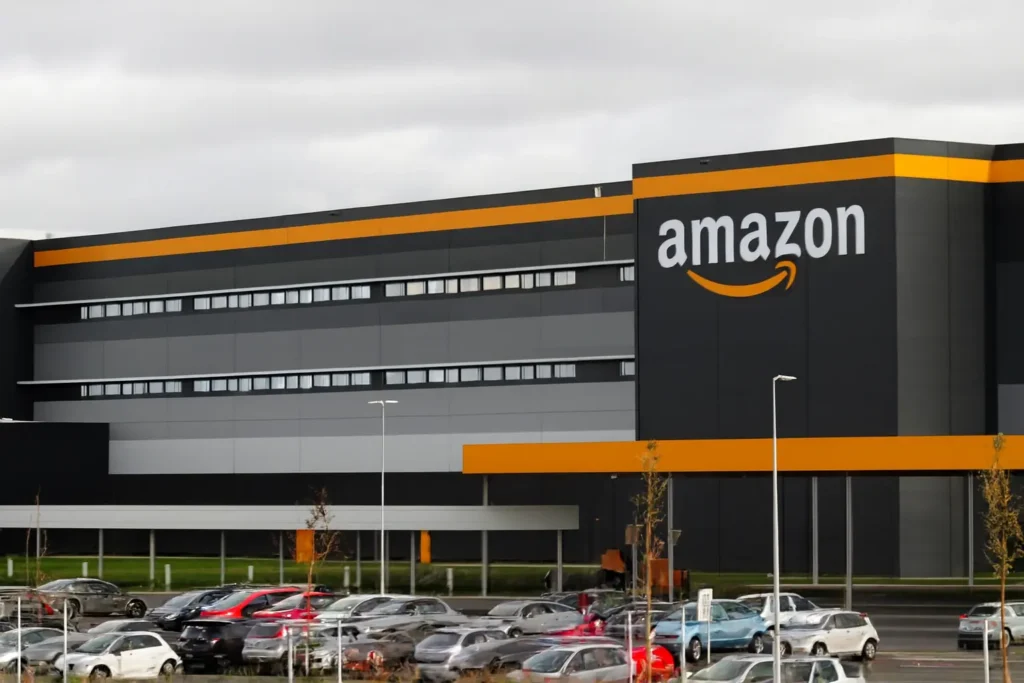
With an estimated logistics revenue of $156.1 billion, Amazon continues to dominate through its control over a vast e-commerce ecosystem . Its leadership stems from a massive network of technologically advanced fulfillment centers and a proprietary last-mile delivery system. By leveraging cutting-edge automation and AI, Amazon ensures unparalleled delivery speed and customer experience, setting the standard for the entire industry .
2. DHL: The Global Powerhouse
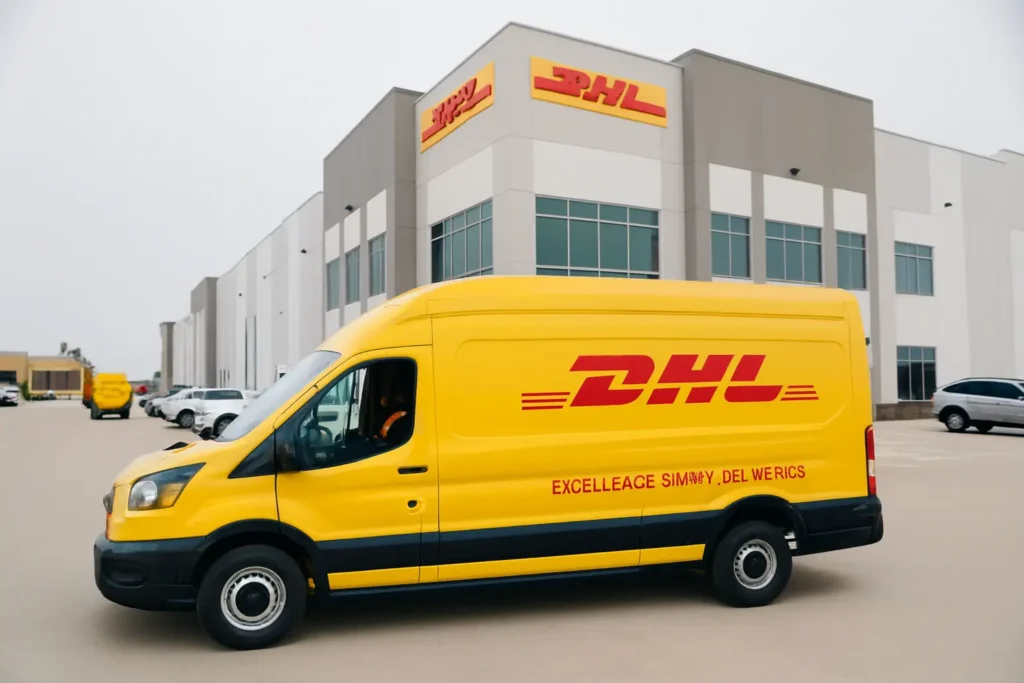
DHL remains a titan of international logistics, offering unrivalled global coverage for cross-border and complex shipments . Its services are deeply integrated across continents, providing comprehensive solutions in freight forwarding, warehousing, and customs support. DHL’s continuous investment in digital tools and its focus on sectors like life sciences and technology keep it at the forefront of global supply chain solutions .
3. Kuehne + Nagel: The Forwarding Specialist
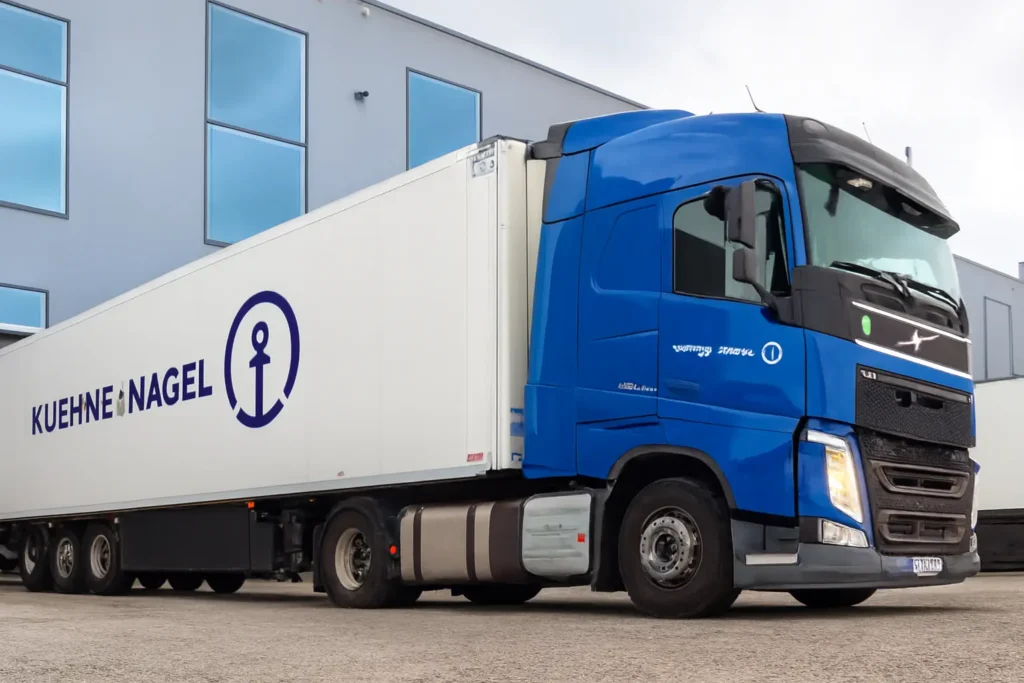
Honored as one of the most innovative companies, Kuehne + Nagel excels in sea and air freight . It has solidified its position by focusing on high-value services like network optimization and sustainable logistics, including carbon-free global transportation and biofuel shipments . Its collaborative platform, myKN, brings significant value to customers by enhancing visibility and control over their supply chains .
4. DSV: The Agile Integrator
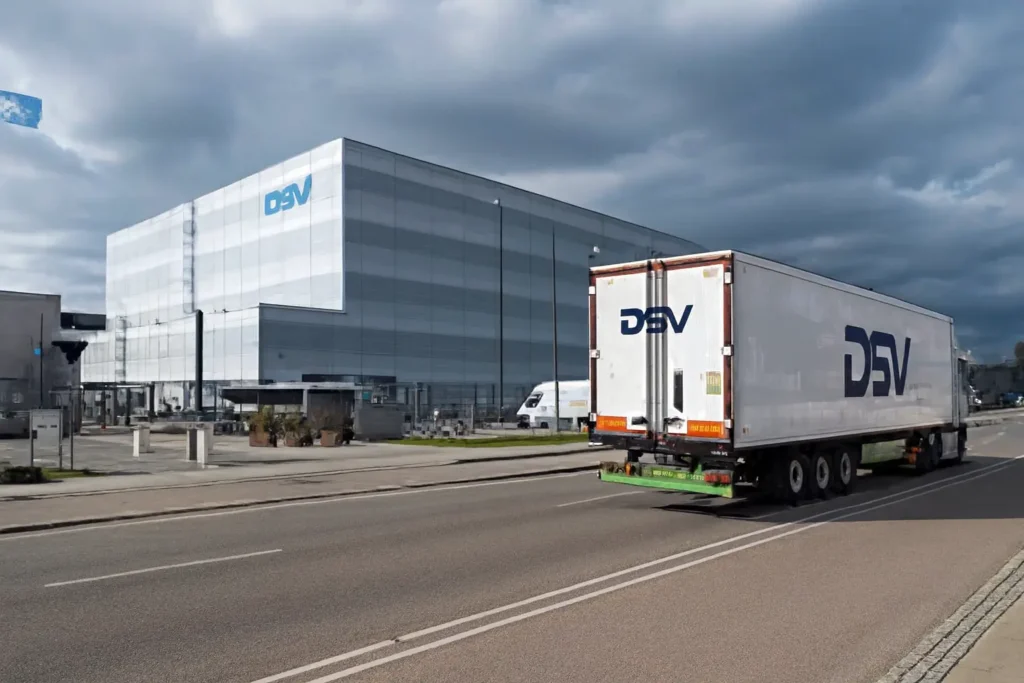
DSV is highly regarded for its flexibility and comprehensive suite of supply chain solutions . The company provides end-to-end services encompassing global air, sea, and road transport, along with warehousing and distribution. Its ability to support complex logistics operations for businesses of all sizes and its strong focus on digitalization make it a trusted leader in global freight forwarding .
5. C.H. Robinson: The Connectivity Champion
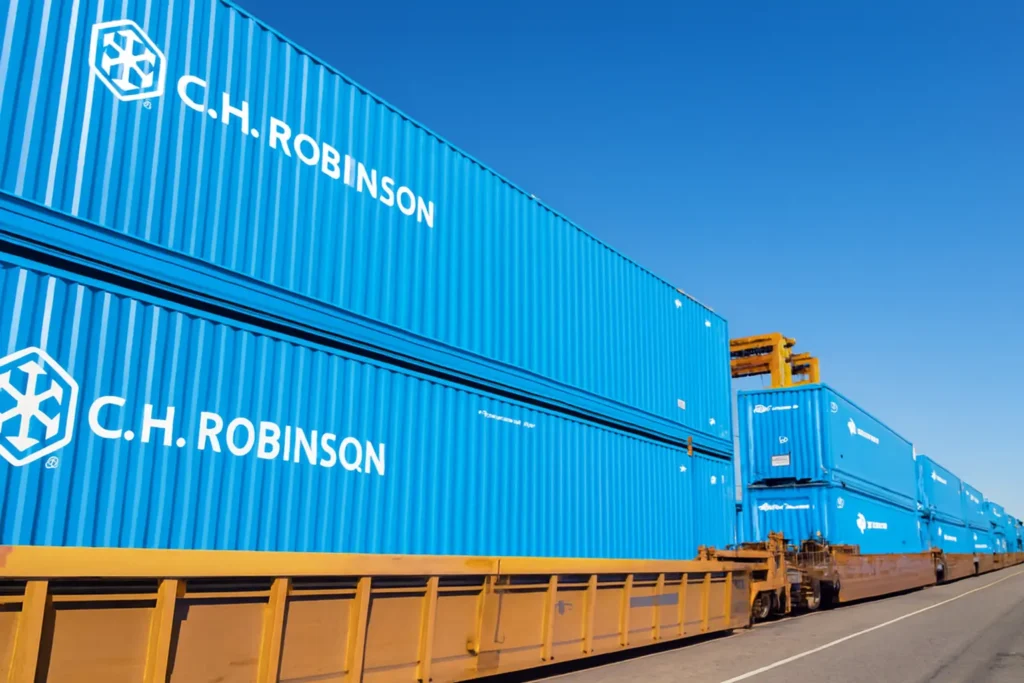
Connecting shippers with carriers through one of the largest transportation networks in North America, C.H. Robinson maintains a stronghold in freight brokerage and supply chain management . Its advanced technology platform helps businesses save costs and streamline operations, while its diversified range of freight services—from truckload to intermodal—ensures resilience and scalability for its clients .
6. CEVA Logistics
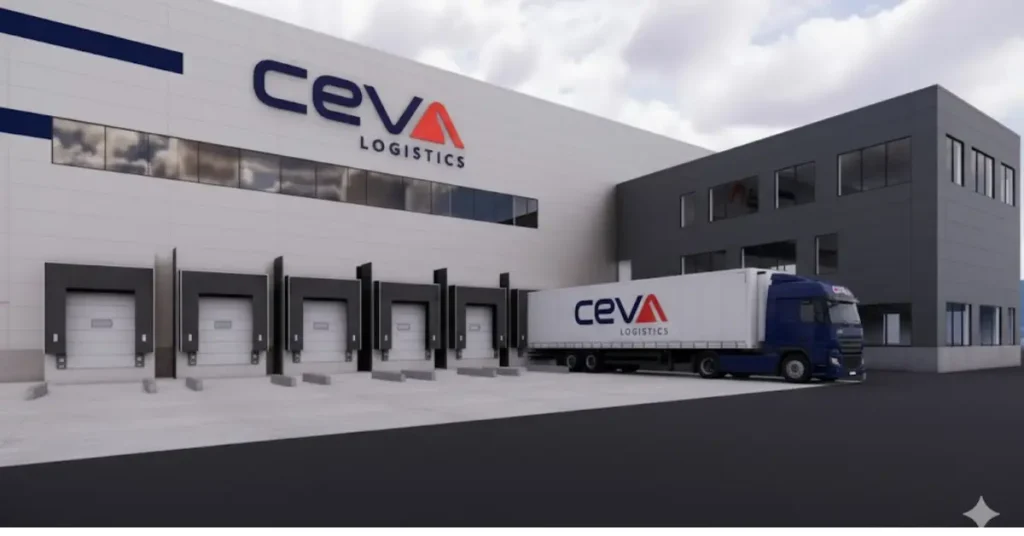
CEVA’s one of those companies that quietly runs half the planet’s supply chain. They’re in over 170 countries (yeah, basically everywhere), and under Mathieu Friedberg’s leadership, they’ve built this powerhouse team of 110,000+ people. What’s cool is that they’re not just doing “business as usual.” CEVA’s pushing hard for greener operations — shifting warehouses to low-carbon power, adding solar panels, that kind of stuff. They were even tagged as a Leader in the Gartner® Magic Quadrant™ for 3PL, which is like the Oscars of logistics. Oh, and they’re the official logistics partner for the Paris 2024 Olympics. If that doesn’t say “we’ve got this,” I don’t know what does.
7. A.P. Moller – Maersk
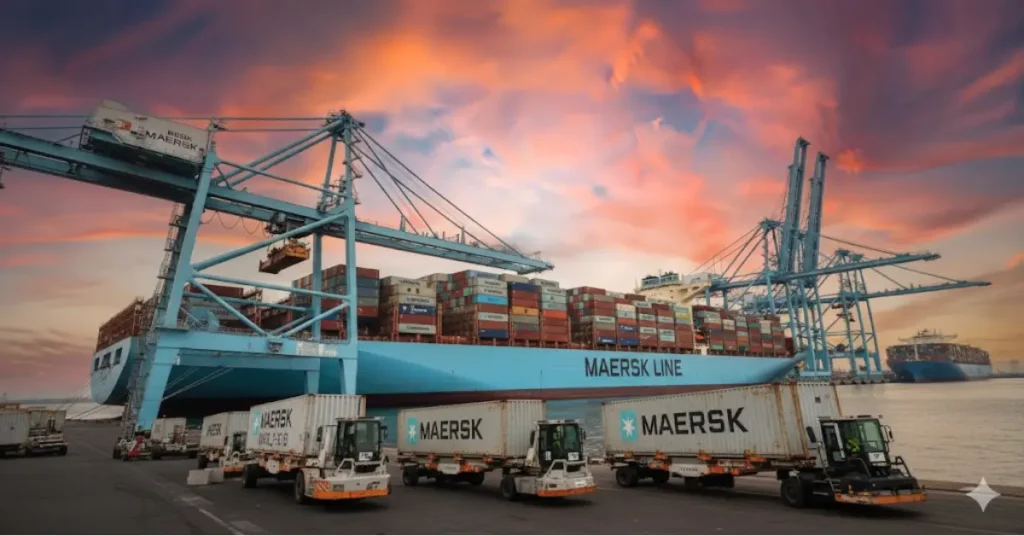
Maersk is basically the Goliath of logistics. They’ve got operations in 130 countries and, honestly, it feels like there isn’t a port on Earth where you won’t see that iconic blue container. With 8.8 million square meters of warehouse space (imagine that), they’re really leading in tech — using automation and even augmented reality for training. But the part I respect most? They’re actually serious about sustainability. Maersk’s aiming for net-zero emissions by 2040, and they’re not just talking about it — they’re tracking every bit of progress. Pretty inspiring, if you ask me.
8.FedEx
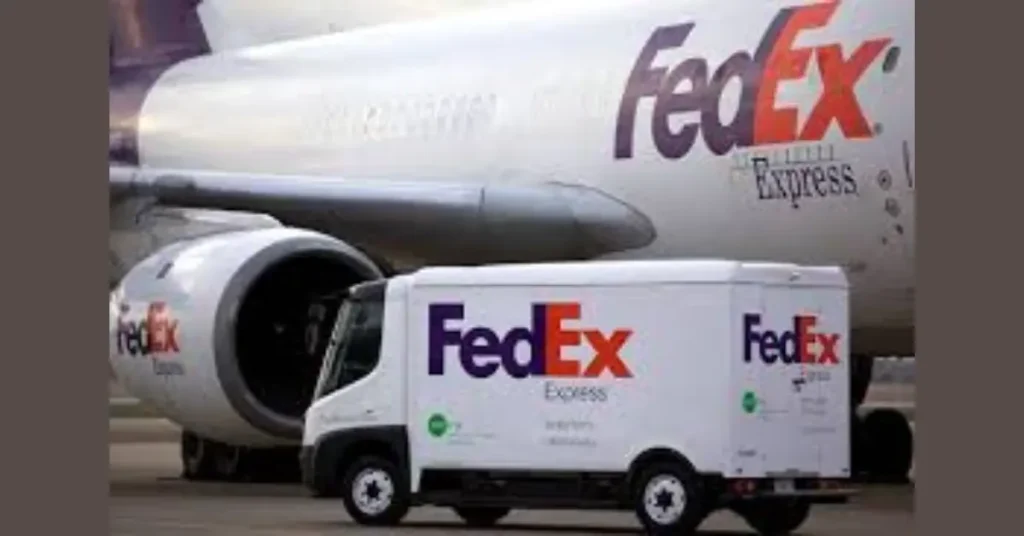
FedEx is like that friend everyone knows — reliable, fast, and somehow everywhere at once. They connect over 220 countries, run more than 5,000 facilities, and their 500,000+ team handles around 16 million shipments a day. Crazy, right? Under CEO Raj Subramaniam, they’ve been expanding their tech game too with this thing called Network 2.0, which basically makes shipping smoother for businesses and customers alike. And props to them for caring about the planet — they’ve been tracking carbon emissions and even supporting environmental nonprofits. Honestly, that’s the kind of leadership the world needs more of.
9.UPS
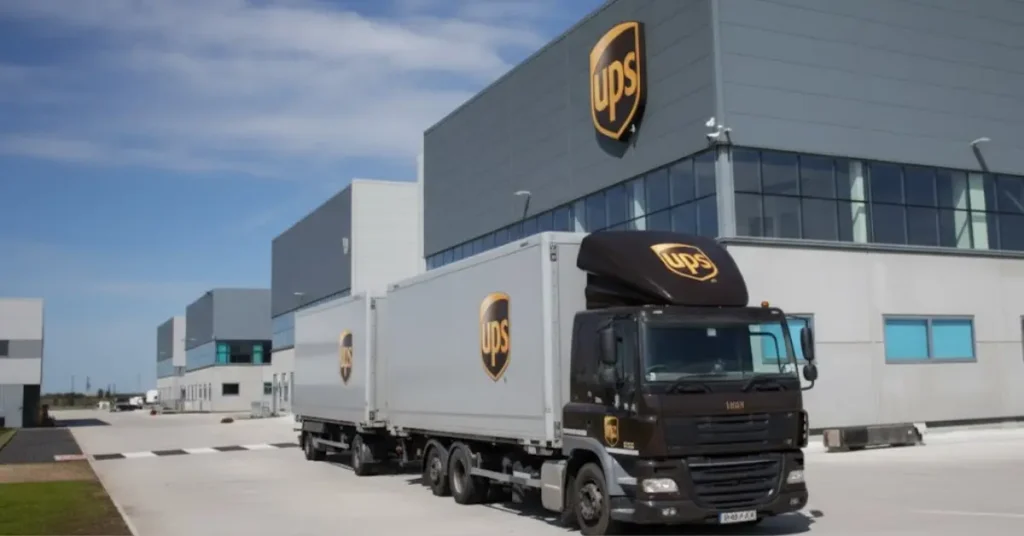
Now, UPS — the brown trucks, the iconic logo, the whole legacy. Founded way back in 1907 (yep, before most of us were even a thought), UPS is still going strong, delivering over 22 million packages every single day. That’s mind-blowing. CEO Carol Tomé and her nearly half-a-million employees have really modernized the company. I’ve used their Forwarding Hub myself — super handy for comparing quotes, booking, and tracking. Feels like they’re one of the few “old school” giants that actually kept up with the digital age without losing that personal touch.
10. Nippon Express
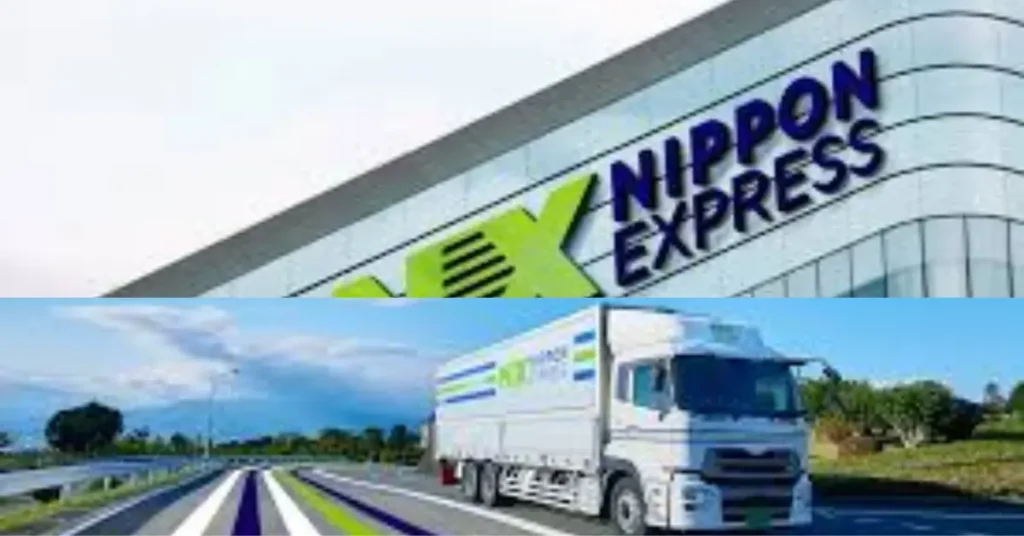
Nippon Express gives me those “quiet achiever” vibes. They’ve been around since 1937 — yeah, almost a century — and they’re still evolving with the times. With 78,000 employees across 56 countries, they focus on safety, sustainability, and just doing things the right way. Their CEO, Satoshi Horikiri, has really emphasized the human side of logistics — how it’s not just about freight, but about connecting people and building a better future. I kinda like that philosophy.
Logistics Company Details
| Company | Revenue (Fiscal Year) | Headquarters Address |
| Amazon Logistics | $156.146 billion (est., 2025) | 410 Terry Avenue North, Seattle, Washington 98109-5210, USA |
| DHL Group (Deutsche Post) | €84.18 billion (2024) / $96.62 billion (2023) | Charles-de-Gaulle-Straße 20, Bonn, Germany |
| UPS (United Parcel Service) | $22.9 billion (Q1 2023) | Atlanta, Georgia, USA |
| FedEx Corporation | $90.2 billion (2023) | Memphis, Tennessee, USA |
| C.H. Robinson | $22.49 billion (2023) | Eden Prairie, Minnesota, USA |
References:
Supply Chain Digital – Top 10 Logistics Brands 2025
Transport Topics – 2023 Top 100 Logistics Companies
CompanyData.com – Worldwide Corporate Structures
The Driving Forces Behind 2025’s Logistics Trends
The success of the top companies is inextricably linked to their adoption of key industry trends.
- Artificial Intelligence and Automation: Leading firms are deploying AI to create unprecedented supply chain visibility and efficiency. For instance, Nuvocargo uses an AI-powered platform to tackle the “black hole” of cross-border shipping between the U.S. and Mexico, reducing average customs time by 34% and lowering fees by 40% . Similarly, Celonis uses its Process Intelligence tool to create “digital twins” of supply chains, allowing companies to visualize workflows, pinpoint problems, and unlock billions in cash flow . Automation is also key, with companies like Nimble deploying fully autonomous warehouses that reduce the cost of order handling by 40% .
- Resilience and Risk Mitigation: In an era of geopolitical tensions and trade uncertainty, the ability to build resilient supply chains is paramount. Companies are leveraging technology to foresee and mitigate risks. Altana’s AI platform, for example, analyzes billions of shipments to map global supply chains in unprecedented detail, helping clients and governments root out suppliers suspected of forced labor and track illicit shipments . SourceDay uses machine learning to head off delays before shipments even hit the road by analyzing digital communications for potential issues .
- Sustainability as a Core Strategy: Green logistics is no longer optional. Leading companies are committing to reducing their carbon footprint through electric vehicles, sustainable fuels, and optimized routes. Kuehne + Nagel promotes this through its carbon-free transportation and biofuel options, while many others are investing in electric fleets and eco-friendly packaging to meet corporate sustainability goals and consumer expectations .
The Road Ahead
The landscape of global logistics in 2025 is dynamic and demanding. The top 10 logistics companies in the world have earned their status not merely through scale, but through a relentless focus on innovation, technological integration, and strategic adaptability. They have transformed their operations to be more intelligent, visible, and resilient, enabling them and their clients to thrive amid global disruptions and the relentless growth of e-commerce. As technology continues to evolve, these leaders are poised to further redefine the boundaries of what is possible in the movement of goods worldwide.
Related Posts

How to Use the Inventory Turnover Equation to Optimize Your Stock Levels in 2026
Lets talk about Inventory Turnover Equation. In the world of business, sitting still is often the same as moving backward. […]
Read More →
3D Warehouse in Supply Chain Management
Discover how 3D warehouse modeling and digital twins are helping businesses maximize vertical space, boost safety with VR training, and […]
Read More →
SEO For US Logistics : How SEO is Changing the Way US Logistics Companies Get Leads in 2026
Lets explore the evolution of SEO For US Logistics in 2026. Discover how AI-driven search, Answer Engine Optimization (AEO), and […]
Read More →